Best Industrial Data Historians for Plant Operations
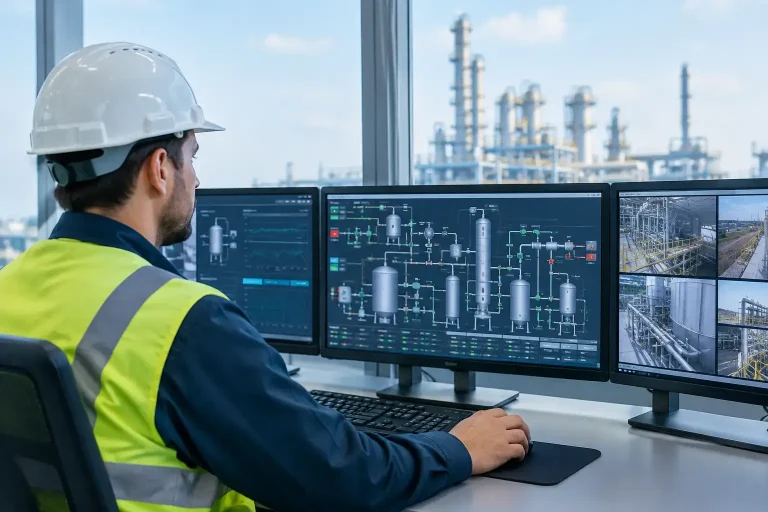
A historian decision becomes expensive when a process upset occurs and the plant cannot reconstruct what happened. Missing timestamps, inconsistent tag names, disconnected batch records, and slow retrieval turn a correctable event into extended downtime, production loss, and difficult root-cause analysis. The best industrial data historians preserve high-resolution operational context while making it usable for engineering, maintenance, quality, and management teams.
Thank you for reading this post, don't forget to subscribe!A data historian is not simply a larger database. It is a purpose-built system for collecting time-series data from PLCs, SCADA platforms, DCSs, analyzers, drives, meters, and other plant assets. It must ingest data reliably, compress it without losing required fidelity, preserve time synchronization, and return years of history quickly enough to support investigations and operating decisions.
What Separates the Best Industrial Data Historians
The right historian depends on the process, installed controls, cybersecurity model, reporting requirements, and expected lifespan of the system. A discrete manufacturer with several packaging lines has different requirements than a chemical facility managing batch traceability, environmental reporting, and safety-critical process alarms.
For most facilities, the technical evaluation should begin with data collection reliability. The historian needs store-and-forward capability at the edge or interface level so a network interruption does not create permanent gaps. It should support the industrial protocols already in use, including OPC UA, OPC DA where legacy systems require it, Modbus, and native interfaces for major automation platforms. Native connectivity can reduce engineering effort, but it should not force a facility into a single controls vendor for future expansion.
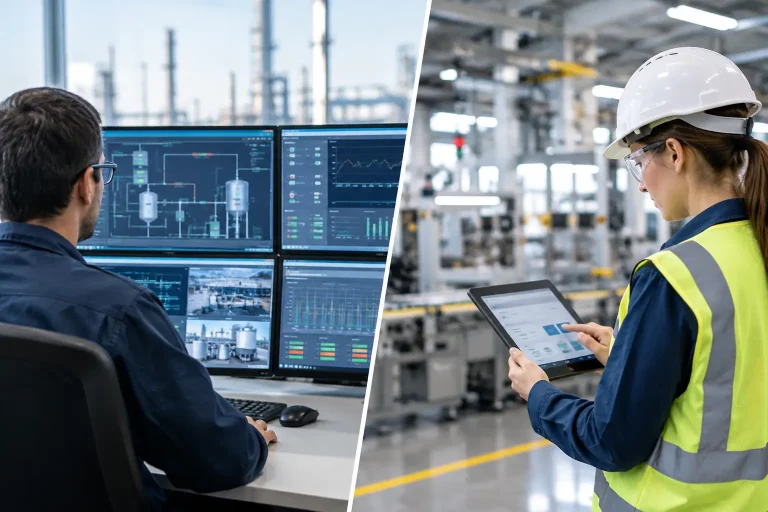
Retrieval performance matters just as much as collection. Engineers need to compare pressure, flow, speed, temperature, and alarm states across a short process event without waiting for a report to run. Operations leaders need shift, daily, and campaign-level views. If users export everything to spreadsheets because trends are slow or difficult to configure, the historian is not delivering its intended value.
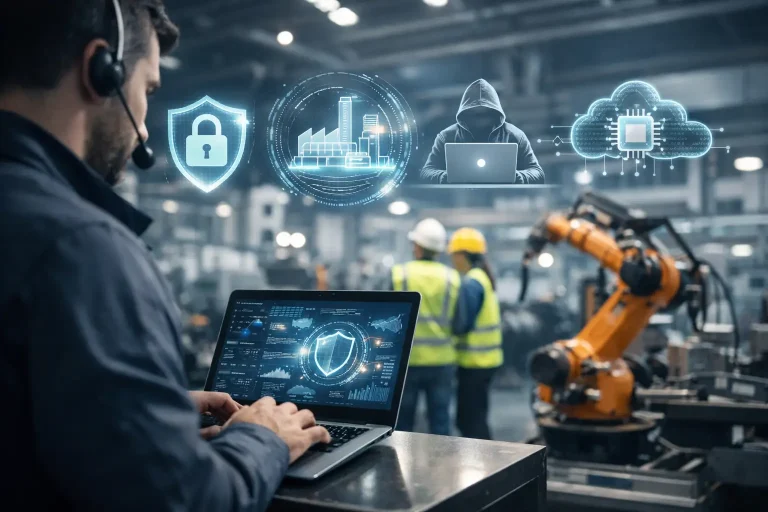
Security and governance deserve equal attention. Define who can access production data, who can change tag configuration, how audit trails are retained, and how the historian is segmented from business networks. For regulated processes, data integrity, user accountability, retention rules, and electronic records requirements may drive architecture decisions. A historian can support compliance evidence, but it does not create compliance by itself.
Leading Industrial Historian Platforms
The following platforms are commonly evaluated in North American industrial environments. Each can be a strong choice when matched to the right operating model and implementation plan.
AVEVA PI System
AVEVA PI System, formerly OSIsoft PI, remains a frequent choice for enterprise-scale industrial data infrastructure. Its strength is broad adoption across process industries, extensive interfaces, mature asset frameworks, and an established ecosystem for visualization, analytics, and enterprise integration.
PI is particularly effective for organizations that need to contextualize large volumes of plant data across multiple sites. Its Asset Framework can organize tags into equipment and process models, which helps move reporting beyond raw point names. The trade-off is that a well-performing PI deployment requires disciplined design. Tag standards, AF hierarchy, calculations, interface sizing, security, and retention policies need engineering attention from the start.
Aspen InfoPlus.21
Aspen InfoPlus.21 is widely used in refining, chemicals, power, and other continuous-process environments, especially where AspenTech applications are already part of the operating technology stack. It is designed for large-scale time-series data and can support process optimization, production accounting, engineering analysis, and plant-wide visibility.
For facilities using advanced process control, planning, or process optimization tools from the AspenTech ecosystem, IP.21 can reduce integration friction. Its fit is less automatic in smaller, mixed-vendor manufacturing environments where the organization needs a simpler deployment and a lighter administrative footprint.
Canary Historian
Canary Historian is often considered by plants that prioritize fast data capture, efficient compression, and direct access to time-series data. It has a strong reputation in utilities, manufacturing, water and wastewater, and other operations where high-frequency data collection and historical trend analysis are central requirements.
Canary can be a practical option when a facility wants a focused historian platform without building an oversized enterprise architecture. As with any platform, the evaluation should include how it will integrate with existing SCADA, reporting, maintenance, and business intelligence tools. A fast historian still needs usable context around the data.
GE Vernova Proficy Historian
Proficy Historian is a natural candidate for sites with substantial GE digital or automation infrastructure. It supports industrial time-series collection, visualization, and analytics workflows and is commonly found in manufacturing, power, and utilities applications.
Its strongest use case is often a facility looking to extend an established Proficy environment rather than introduce a separate data layer. Plants with mixed controls should validate protocol coverage, licensing implications, and the effort required to standardize data from non-GE equipment before committing.
Honeywell PHD
Honeywell Process History Database, commonly called PHD, is a proven historian in process-control environments, particularly facilities with Honeywell Experion systems. It is designed to manage large volumes of process data and support operations, engineering, and performance analysis.
For a Honeywell-centered control architecture, PHD can provide a well-aligned path for historical data collection and analysis. The key question for modernization projects is not whether it can collect data, but how effectively it will serve data consumers beyond the DCS environment and connect with newer applications, remote assets, or enterprise reporting standards.
Ignition with a SQL-Based History Architecture
Inductive Automation Ignition is not a conventional standalone historian in the same category as PI or IP.21, but it is frequently evaluated for manufacturing data logging because of its flexible architecture, broad connectivity, and integration with SQL databases. It can be a cost-effective fit for plants that need SCADA, HMI, data collection, and reporting capabilities within one engineered application platform.
This approach works well when the scope is clearly defined and the database, retention, backup, and performance requirements are properly engineered. For very large, high-frequency, multi-site historical workloads, a dedicated enterprise historian may be more suitable. The decision should follow expected data volume and use cases, not license cost alone.
Select a Historian From the Use Case Backward
A plant should not select a historian based on a feature checklist alone. Start with the decisions the system must support. If the primary goal is troubleshooting recurring line stops, the system needs accurate event timestamps, machine-state context, and easy correlation between PLC faults, alarms, and production counts. If the goal is energy reduction, interval data, utility meters, production rates, and weather or schedule context may matter more than millisecond-level control data.
For batch production, establish whether the historian must connect each record to recipe version, lot, unit operation, operator action, and quality result. For regulated operations, determine the required retention period, audit trail expectations, time-source requirements, and approval controls before specifying software.
A useful design workshop should answer four questions: which assets create the highest operational risk, which signals are needed to explain performance, who will use the information, and what action should they be able to take from it. That process usually reveals that not every PLC tag deserves long-term storage. Capturing every point at maximum frequency can increase cost and administrative burden without improving decisions.
Architecture and Implementation Risks
Historian projects fail most often at the integration and governance layers. A system may collect millions of values correctly while still delivering little value because equipment names differ by line, quality data remains isolated, or no owner maintains calculations and reports.
Time synchronization is a common overlooked requirement. PLCs, SCADA servers, historians, domain controllers, and engineering workstations should reference a defined time source. Without it, sequence-of-events analysis becomes questionable, particularly after trips, safety events, or network interruptions.
Network architecture must also protect availability. Historian interfaces should be designed around OT segmentation, firewall rules, service accounts, backups, patching practices, and recovery objectives. Remote access should follow the plant’s cybersecurity policy rather than become an informal troubleshooting path.
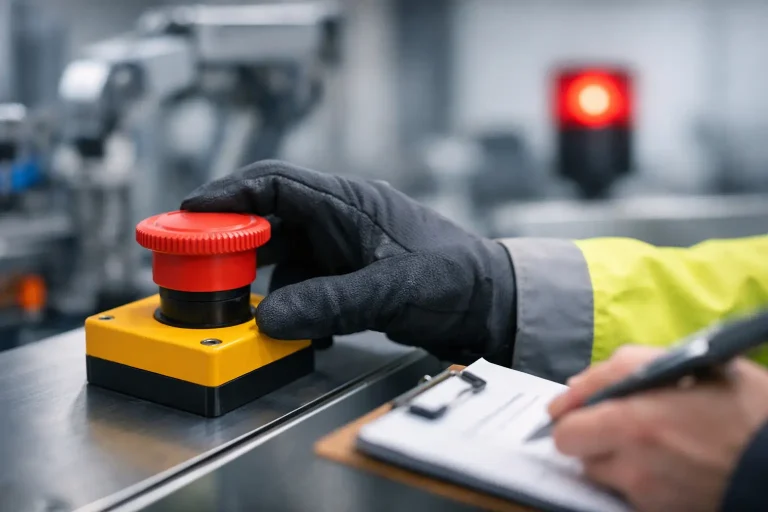
Safety applications need a distinct boundary. Historian data is valuable for investigating demands, bypasses, trips, alarm response, and proof-test trends. It should not be used as the sole source of truth for safety instrumented system performance or as a substitute for validated safety logic, alarm management, or IEC 61511 lifecycle activities. The data path, retention method, and reporting process must be appropriate for the claim being made.
Make the Historian an Operating System, Not an Archive
The best results come when historian implementation is paired with controls standards, alarm rationalization, asset naming, and defined operational workflows. A maintenance supervisor should be able to investigate a recurring motor failure without requesting a custom data pull. A process engineer should see the conditions that precede quality variation. A plant manager should trust that an OEE or energy report uses traceable source data.
For modernization projects, SIS Automations approaches historian design as part of the control-system architecture. That includes source-system assessment, tag and asset modeling, interface engineering, SCADA integration, network considerations, commissioning, and operator-facing visualization. The objective is not to collect more data. It is to create reliable evidence for faster decisions, safer operations, and sustained plant performance.
Before approving a platform, test it against one real operating problem from your plant. If the proposed architecture can capture the right signals, preserve their context, survive a communications fault, and help the team reach a defensible answer quickly, it is on the right track.