Functional Safety & SIS Engineering Services
IEC 61508 & IEC 61511 Compliance Experts
At SIS Automations, we specialize in Functional Safety Engineering, Safety Instrumented Systems (SIS) design, and SIL verification in accordance with:
Thank you for reading this post, don't forget to subscribe!IEC 61508
IEC 61511
We help industrial facilities reduce risk, achieve regulatory compliance, and protect personnel, equipment, and the environment through structured lifecycle-based safety solutions.


What Are Safety Instrumented Systems (SIS)?
A Safety Instrumented System (SIS) is an independent protection system designed to bring a process to a safe state when hazardous conditions are detected.
An SIS typically consists of:
Sensors (inputs)
Logic solvers
Final control elements (valves, shutdown devices)
Communication and power infrastructure
Unlike standard control systems, SIS systems are designed specifically for risk reduction and hazard mitigation.
Why IEC 61508 & IEC 61511 Matter
IEC 61508
Applies to electrical, electronic, and programmable electronic safety-related systems across industries.
Primarily used by manufacturers and device suppliers.
IEC 61511
Focuses on Safety Instrumented Systems within the process industry sector — including oil & gas, chemical, manufacturing, and energy.
IEC 61511 requires a full safety lifecycle approach, including:
Hazard and Risk Analysis (HAZOP / HAZID)
SIL determination
Safety Requirements Specification (SRS)
Detailed design and engineering
Installation and commissioning
Testing and validation
Ongoing maintenance and audits

Safety Lifecycle Services
We provide complete lifecycle support:

1. Hazard & Risk Analysis
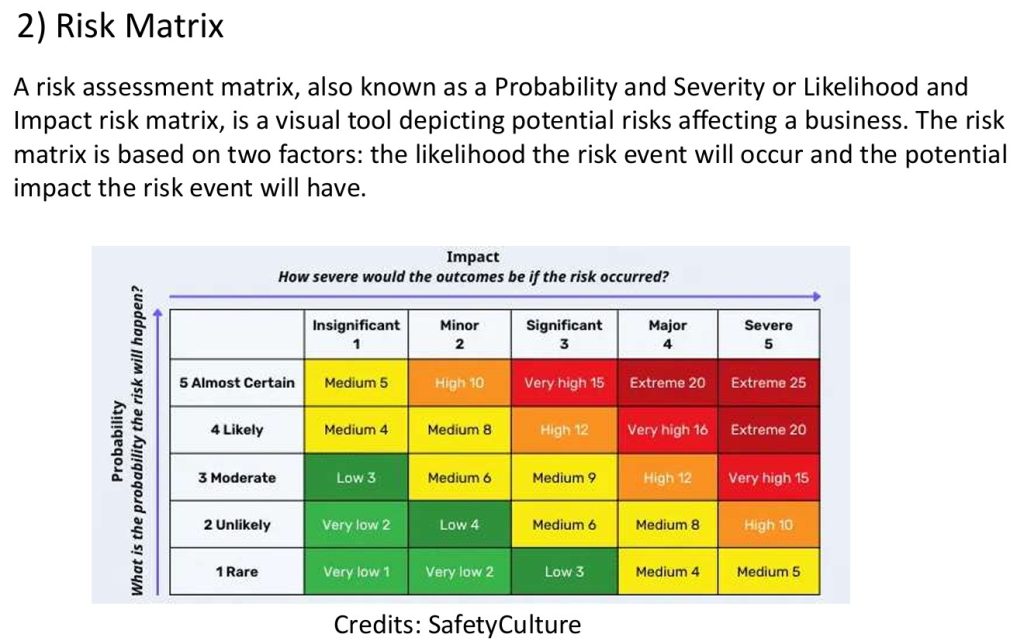
Risk is defined as the combination of:
Likelihood of occurrence
Severity of consequences
We perform:
Risk Graph Analysis
Risk Matrix Evaluations
Layer of Protection Analysis (LOPA)
2. SIL Determination & Verification
Each Safety Instrumented Function (SIF) must be assigned a Safety Integrity Level (SIL 1–4).
SIL defines the required probability of failure on demand (PFDavg).
We perform:
Quantitative SIL calculations
Risk Reduction Factor (RRF) determination
PFDavg modeling
Independent SIL validation
Fault Tree Analysis (FTA)
Reliability Block Diagram (RBD) modeling


3. Safety Requirements Specification (SRS)
The SRS is the foundation of SIS design.
We develop detailed SRS packages including:
SIF descriptions
Cause & Effect diagrams
Trip setpoints
Required SIL levels
Proof test intervals
Response time requirements
Demand rate assumptions
Safe state definitions
Common cause failure considerations
A strong SRS allows vendors and contractors to design systems without ambiguity — reducing cost overruns and safety gaps.
SIL & Risk Reduction Expertise
We calculate and validate:
Probability of Failure on Demand (PFDavg)
Risk Reduction Factor (RRF)
Safe Failure Fraction (SFF)
Hardware Fault Tolerance (HFT)
Diagnostic Coverage (DC)
FIT rates (Failure in Time)
MTBF / MTTF / MTTR metrics
We also design optimized voting architectures:
1oo1 (single channel)
1oo2 (redundant safe configuration)
2oo2 (spurious trip tolerant)
2oo3 (balanced fault tolerance)
Our engineering ensures the correct balance between:
Safety availability
Spurious trip reduction
Cost optimization
Regulatory compliance


Independent Protection Layer (IPL) Analysis
For LOPA studies, we verify that each IPL meets the SAID criteria:
Specific
Auditable
Independent
Dependable
We calculate required SIL based on:
Target tolerable risk
Initiating event frequency
Existing IPLs
Required RRF
Required PFDavg
Corresponding SIL level
Failure Mode & Reliability Engineering
Understanding failure behavior is critical to compliance and uptime.
We analyze:
Safe vs Dangerous failures
Covert vs Overt failures
Common cause failures
Common mode failures
Infant mortality, useful life, and wear-out phases (Bathtub Curve)
Redundancy and fault tolerance models
Markov modeling (advanced applications)
Our goal: Minimize dangerous undetected failures while reducing unnecessary shutdowns.

Testing & Validation
We support:
Factory Acceptance Testing (FAT)
Site Acceptance Testing (SAT)
SIL Validation
Proof Test Optimization
Periodic functional testing planning
Documentation and compliance audits
Why Choose SIS Automations?
- Full IEC 61508 / IEC 61511 lifecycle expertise
- Advanced SIL & LOPA calculations Practical field experience
- Reduced spurious trip rates
- Optimized proof testing strategies
- Independent, vendor-neutral engineering
- Documentation-ready for audits
We don’t just calculate SIL — we design systems that perform reliably in real-world industrial environments.
Why SCADA Integration Matters

PLC Programming
At Sis Automations, we provide expert PLC programming services to help manufacturers, OEMs, and process-plants achieve greater reliability, faster commissioning and smarter control. From concept and design through to startup and support, we partner with you to deliver automation systems that perform.

SCADA
Site Assessment & System Audit SCADA Architecture Design PLC & Device Communication Mapping Visualization & Interface Development Alarms, Logging & Historian Configuration Cybersecurity Implementation Testing, Simulation & Commissioning Training & Documentation

Control Panel Design
At SIS Automations, we specialize in the design, assembly, and integration of high-performance industrial control panels and electrical cabinets. Whether it’s for OEM machinery, SCADA systems, or factory automation, we build clean, code-compliant, and serviceable panels that support safe and efficient operations.

Commissioning
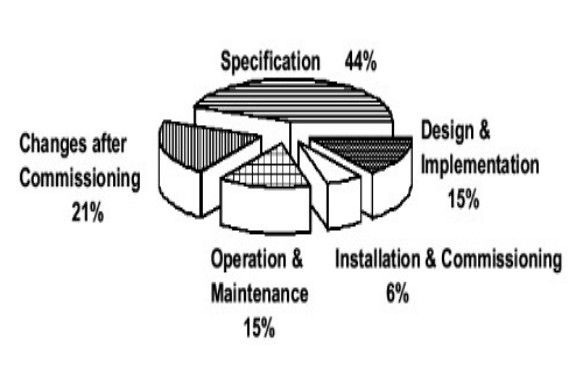
Pitfall: Lack of detailed planning, inadequate documentation, or incomplete specifications can lead to misunderstandings, errors in design, and misaligned expectations Consequences: This can result in system malfunctions, inefficient operation, or even complete system failure. It may also lead to costly delays and the need for rework. Prevention: Ensure thorough planning, clear documentation, and communication among all stakeholders. Use checklists and detailed commissioning plans.
Why Choose Us
benefit 1. Custom-Engineered for Your Process — Not Cookie-Cutter Code
We don’t reuse generic PLC templates. Every control logic we design is engineered around your unique process, equipment, and safety standards — ensuring smoother startup, higher efficiency, and easier future expansion.
benefit 2. Fast Commissioning with Zero-Downtime Philosophy
Our structured programming, simulation testing, and on-site validation minimize commissioning delays. Clients experience faster go-live and less downtime, saving both production time and maintenance costs.
benefit 3. Future-Proof, Scalable Architecture
We build modular, well-documented code that supports upgrades, expansions, and integration with Industry 4.0 platforms. That means your automation investment keeps delivering value for years to come — no full reprogramming required.
benefit 4. Engineer-to-Engineer Collaboration
You work directly with experienced controls engineers — not sales reps. We speak your language, understand your process challenges, and design reliable automation systems that meet your goals from the first day of production.
Expert of 3 strong automation brands


Turn Complex Control Challenges Into Seamless Automation
From PLC design to commissioning, we deliver systems that work flawlessly – on time, every time.
© 2022 All Rights Reserved.
